Myth: Implants Need to Be Replaced Every 10 Years
Fact: This is a common misconception. The FDA advises that implants are not considered lifetime devices and that the likelihood of complications increases with time. However, there is no mandatory replacement schedule. Implants that are not causing problems do not need to be removed on any fixed schedule. Regular monitoring (including MRI surveillance for silicone) is recommended to detect issues early. Many implants remain problem-free for 20+ years.
Myth: Breast Implants Cause Breast Cancer
Fact: Multiple large, long-term studies have found no association between standard breast implants (silicone or saline) and increased risk of breast cancer. The exception is BIA-ALCL — a rare lymphoma associated with textured implants — which is not a breast carcinoma and is now largely addressed through the shift away from macro-textured implants.
Myth: You Can't Breastfeed With Implants
Fact: Most people with implants can breastfeed. Success depends primarily on surgical approach (periareolar incisions carry more risk of ductal disruption) and placement (subglandular can compress glandular tissue). A 2020 systematic review found the majority of augmented patients attempting breastfeeding were successful. Working with a lactation consultant improves outcomes.
Myth: Implants Make Mammograms Impossible
Fact: Mammography is still performed in augmented patients using implant-displaced (ID) views. Imaging is more complex and some tissue may be harder to visualise, but mammography remains valuable and important for augmented patients. Supplemental ultrasound and MRI can address any gaps in coverage.
Myth: Bigger Is Always Better for a Natural Look
Fact: Natural-looking results typically come from matching implant dimensions to the patient's existing anatomy — particularly base width — rather than maximising size. Implants that significantly exceed the breast's natural footprint create visible lateral edges, upward displacement, and an obviously augmented appearance. Surgeons experienced in natural results typically focus on proportionality rather than maximum volume.

Real-World Reference
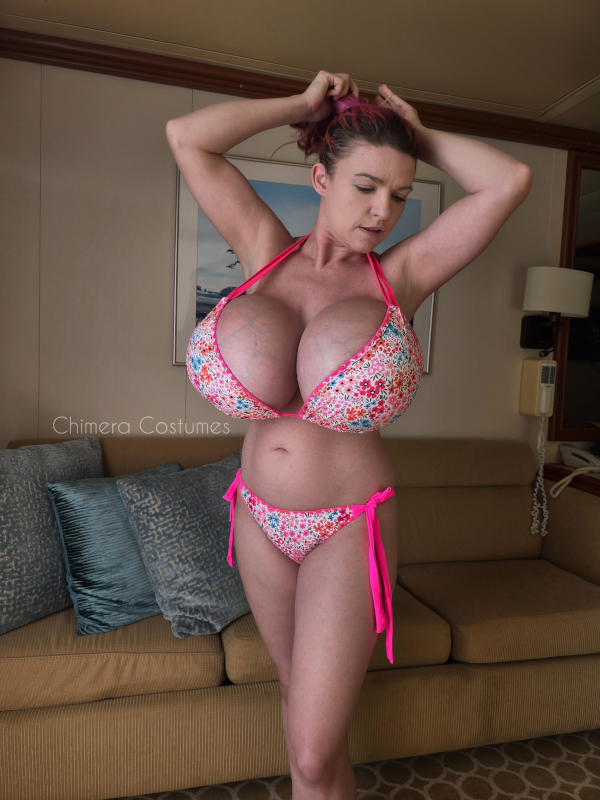
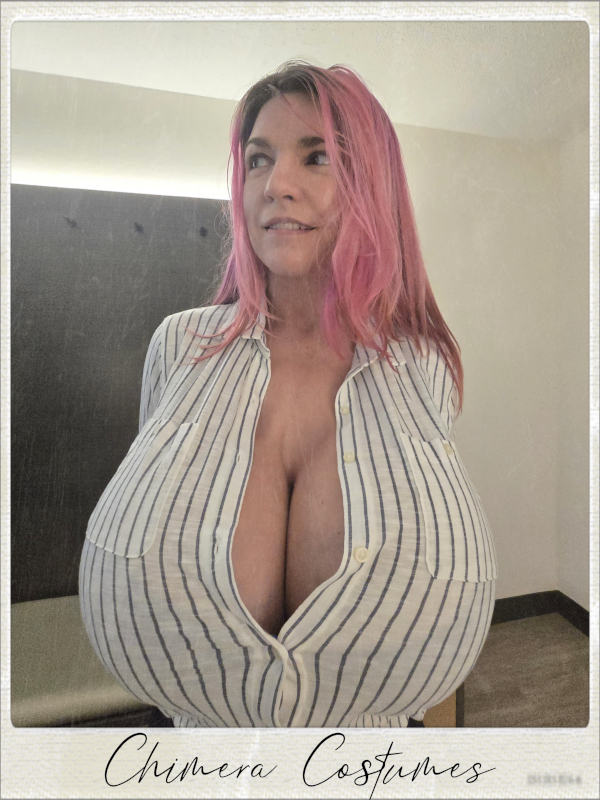
Curious what extreme high-volume implants look like in practice? Chimera Costumes — cosplay creator Heidi Lange — has 4,700cc implants and documents her life, cosplay construction, and experience publicly on Instagram, Twitch, and YouTube. Adult content on OnlyFans (18+) and Patreon.